On an average day, something like twenty to thirty submissions land in our inbox, from musicians releasing their first single to veterans out on tour behind a catalog twenty years deep. Nearly all of it gets read. Very little becomes a piece, and that gap is rarely about talent. It’s usually about what the email gives us to work with.
The same math holds at most places that cover music, not just here. Editors everywhere work through full inboxes on tight mornings, and the decision to open, skim, or set something aside happens in seconds. Here’s how that decision gets made at The Noise Room, and what makes it easier on both ends.
Why Some Pitches Land
Being new isn’t why something gets published here. Being interesting is, and that’s not always the same thing. A press release is where research starts, not where the article ends, so the release alone is rarely enough. What pushes a submission from “maybe” to “yes” starts with the music: what it sounds like, and whether there’s a reason to click play. Where a musician is from, who played on the record, and how long they’ve been at it are worth knowing, but they come second. None of it matters if the sound doesn’t hold up.
The Step-by-Step Process for Getting Your Music Heard
- Make sure it’s actually a fit. The Noise Room gravitates toward certain kinds of music and certain kinds of stories, even when it’s not obvious from a single post. We lean toward independent artists, whether they’re just starting out or years into it, and toward stories that go beyond just the record. Skim a handful of recent posts first. If what you’re sending doesn’t look like something we’d already cover, that’s worth knowing before you send it rather than after.
- Describe the music. Open with a quick “recommended if you like” (RIYL) or “for fans of” (FFO) line naming two or three comparable musicians, then say in your own words what it actually sounds like. Even something as simple as “if [Artist A] and [Artist B] had a kid, that’s basically it” tells The Noise Room more before a single note plays than three paragraphs of biography.
- Link straight to the song and video. A direct Bandcamp, Spotify, or YouTube link that opens and plays right away is easier than a tracked link or a download that expires. If there’s a video, link to it directly on YouTube, Vimeo, or wherever it lives, rather than making us dig through an embed code. A Linktree is fine as a backup, but it shouldn’t be the only link in the email.
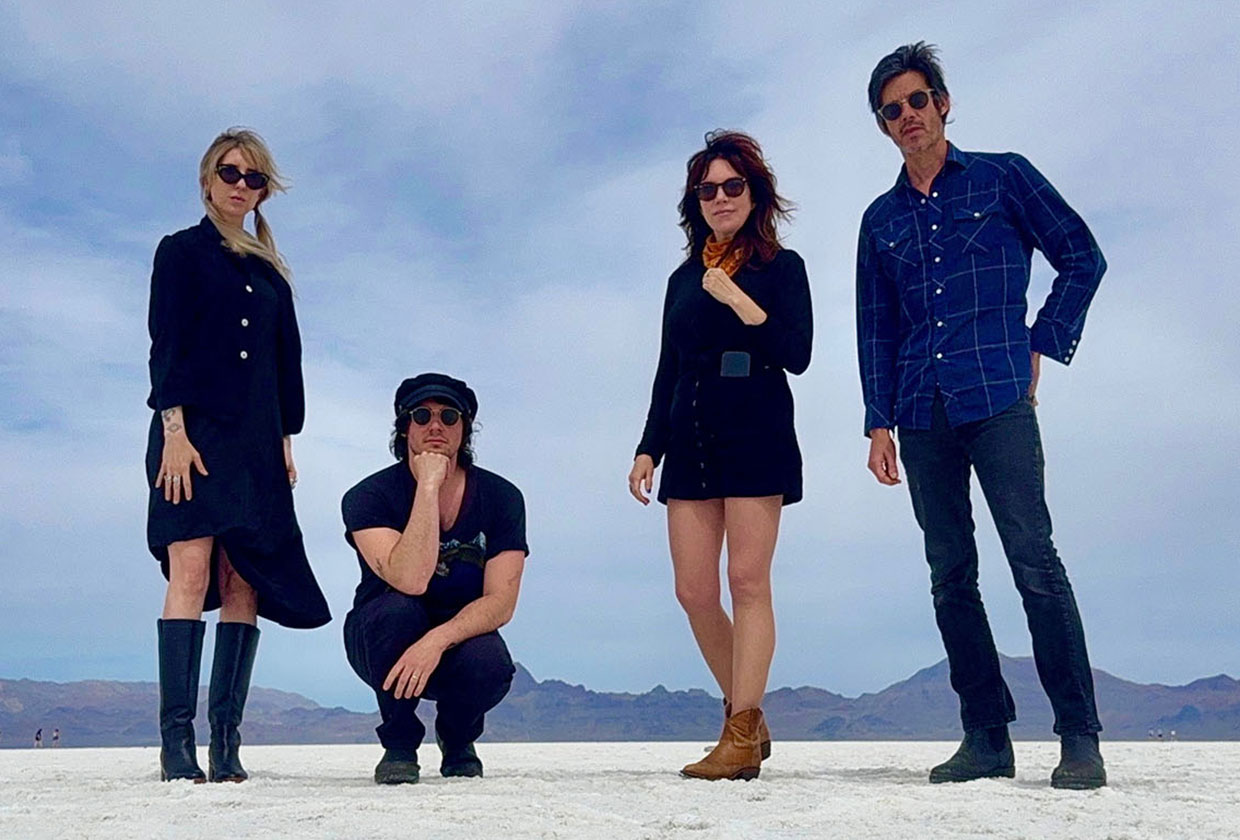
- Send images at full resolution. A band photo and, if you have one, a shot from a recent live show give us more to work with than a single image. Landscape and portrait versions of either help too, since different posts end up needing different shapes. Pull from the original file rather than a version resized for Instagram, aim for at least 1500 pixels on the long side, and include the photographer’s credit if there is one.
- Tell us your story. Once the music has done its job, give us the full story: what shaped the record, who helped make it, what the process looked like. A complete bio and background here are exactly what turn a good submission into a full article.
- Share your links. Along with the song and video, include your website, Bandcamp, Instagram, Spotify, YouTube, Facebook, and record label, in that order. It’s the same list we’ll build into the piece if it runs, so it helps readers find you just as much as it helps us.
We’re Listening
Whether it’s a new song or a video, the same approach works. A lot of the musicians we’ve covered just sent an email: a link and a few honest sentences about the music. That’s still the easiest way to reach us: use the contact page, write it yourself, and put the music one click away.
We try to listen and read everything that comes in. We can’t turn all of it into an article, but an email built around these steps makes that decision easier on our end.
This is how we look at what lands in our inbox. A lot of it will hold up wherever you’re sending music, since most people who cover it are looking for similar things, but every site has its own quirks, so it’s worth a quick look around before you hit send.