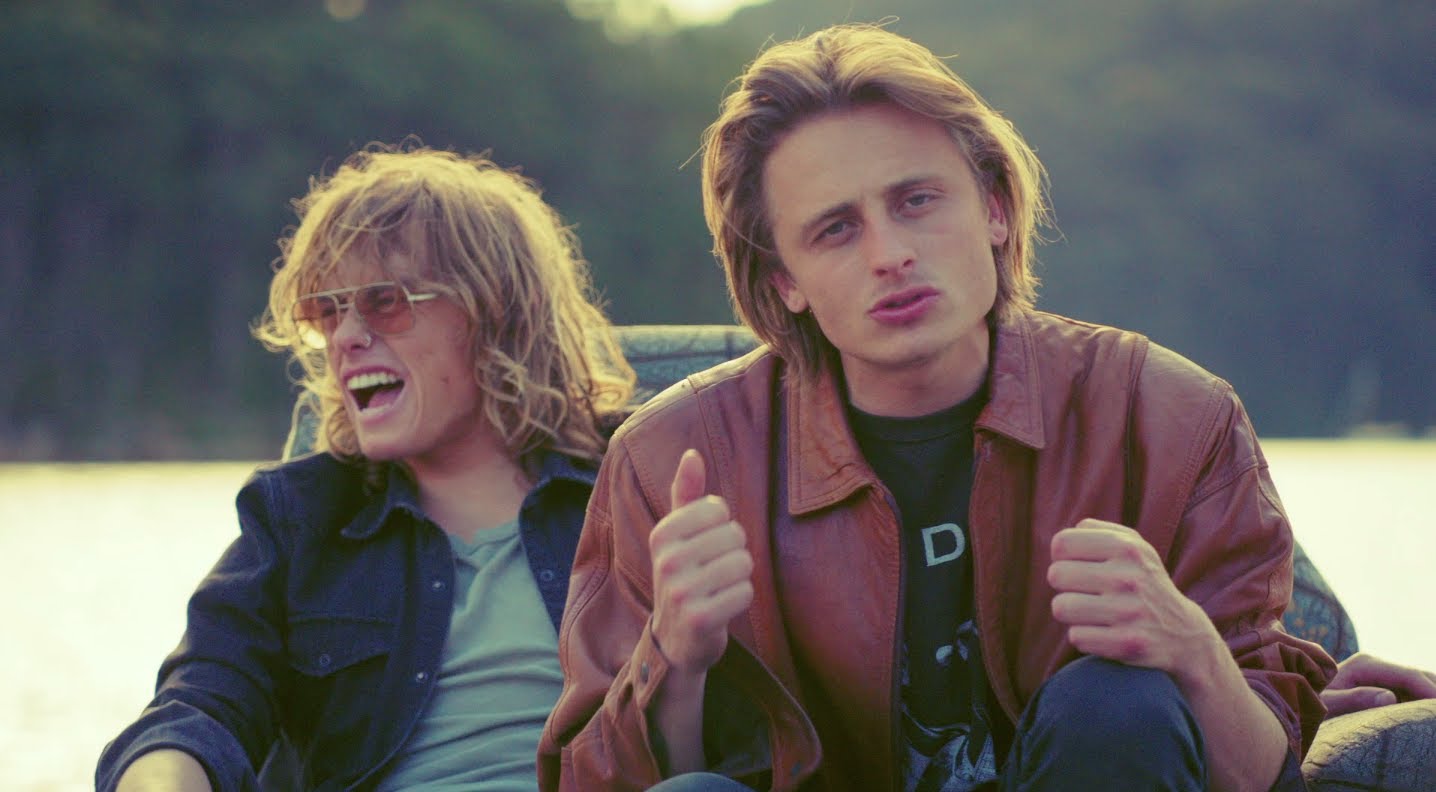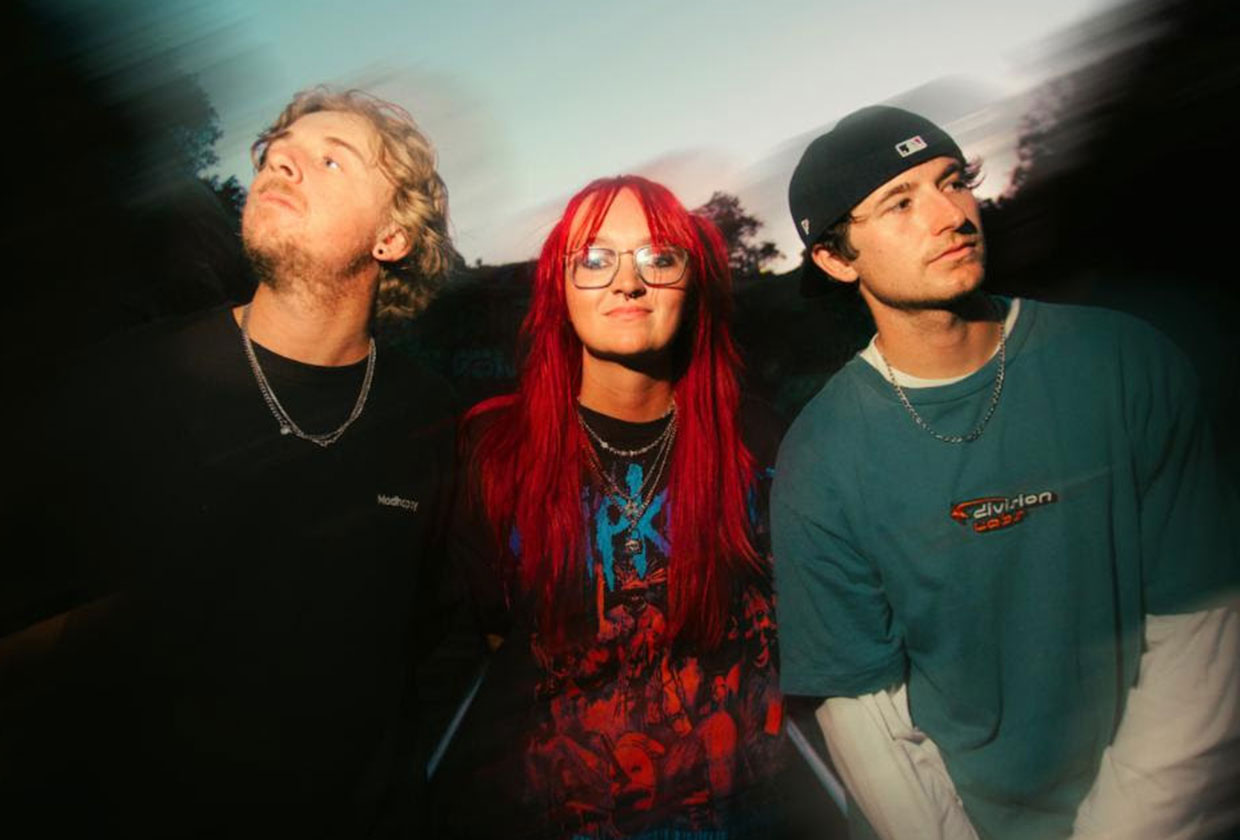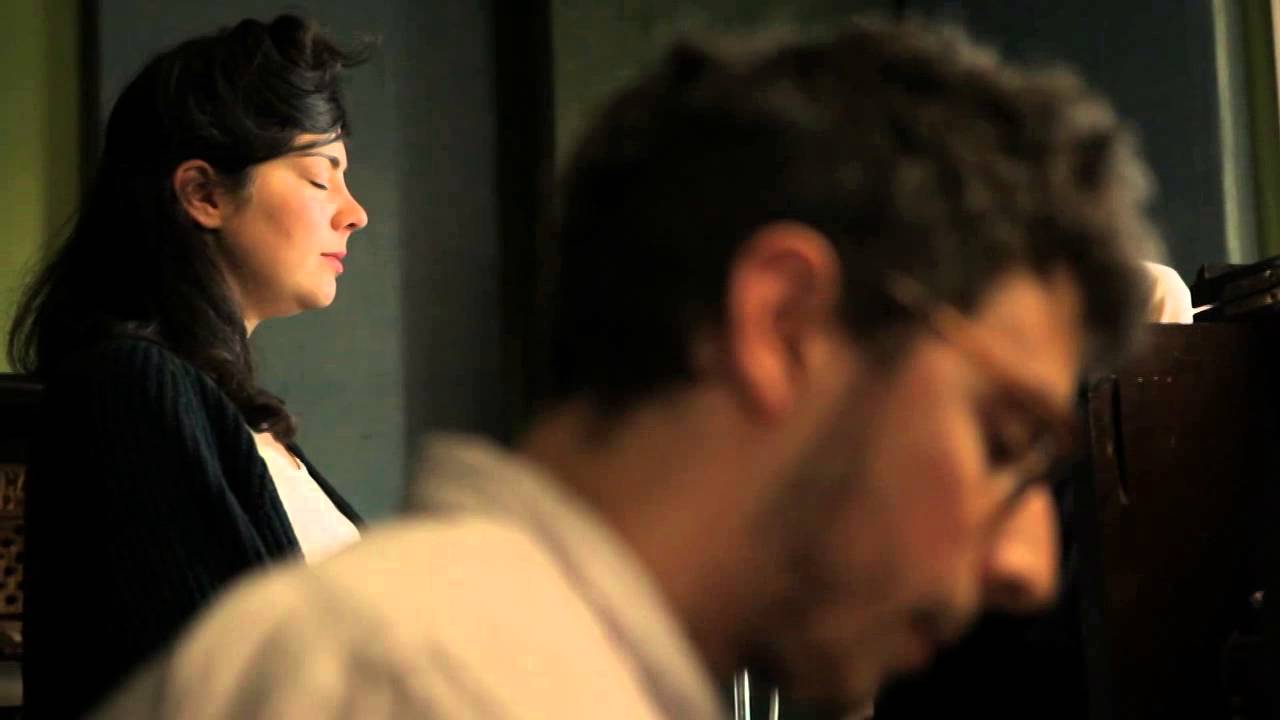
Fish Hunt, the New York project of Lucy Mondello, releases her third album, Life, on October 23 via VHS Records. Like its predecessor, Self Taught, the record was tracked to tape at VHS Studios in Brooklyn with engineer Reed Black, this time with a wider circle of players than Mondello has worked with before. The title track and its video, which first appeared here in Making Noise: Fish Hunt, carried a portable living room through the city and its suburbs as a quiet answer to the song’s question about what life amounts to. In this interview, Mondello talks about collaboration, recording at VHS, the gear that shaped the album, and her place in New York’s sprawling DIY community.
Fish Hunt has mostly been a solo project, and this album pulls in more collaborators than anything you’ve made before. What made it important to bring others into the process this time, and how does making a record like this differ from working on your own?
Although I’ve recorded some solo stuff in the past, musical collaboration is a very important part of my life. I find it incredibly exciting and fulfilling to share and play my music with other musicians. The energy created by getting in a room and playing with other people is unparalleled. It is a whole other language and it often feels important for me to communicate with others in that way. It is just more fun to include more people too. Getting to see the parts others think of for these songs is really interesting. In an ideal world Fish Hunt could record with an orchestra.
Life is your third album. Where does it sit in everything you’ve made so far?
It has felt like a natural progression and a step that has made sense musically and thematically. The first record, Staying Small, was about establishing this new project and sound. Then the 2nd LP, Self Taught, felt like an advancement of that sound by working in the studio with multiple players and more layered ideas. This upcoming record represents a more established and grounded time in my life and musicianship and a furthering of my relationship with recording in the studio.
The title track, “Life,” blends live instruments with sampled loops for the first time. How did the two work together for you?
That style of sampling is something I like a lot in other artists’ work. Bands like Melaina Kol, TAGABOW, and People I Love use that digital instrumentation in their songs a lot and it evokes a very particular feeling. That sound is emblematic of a branch of music that I’ve always felt close to so using it for a song of my own felt intuitively like the right thing to do at the time of writing.
What was it like recording at VHS Studios? Did you use the space for experimentation, as a songwriting tool in itself, or as somewhere you arrive already knowing what you want?
VHS is a special place that I’ve had the privilege of getting very familiar with over the past few years as I recorded the last LP, Self Taught, there as well. Reed Black, the owner of VHS and engineer/mixer for this upcoming record, has become a close friend and musical partner. He does an incredible job at making VHS an environment where creativity and musicianship is able to thrive. Going in there is like landing on a unique little musical planet. It has a feeling of separateness from the outside world that makes recording in there feel like an experience you’re able to fully dive into and get lost in. Everything recorded in VHS sounds amazing and it’s very gratifying to hear my musical ideas and the musical ideas of the other players I collaborate with fleshed out so fully and richly.
We always like talking gear here at The Noise Room. Was there any particular equipment, sound, or technique that was especially important in shaping this record?
Like my previous record, Self-Taught, we recorded everything to tape (specifically the Studer A800 24 track recorder). That’s definitely an integral sound of the last two Fish Hunt albums. My favorite amp we used was an old 1960’s Silvertone combo amp. That thing sounds awesome. And my all time favorite instrument in Reed’s studio is his 1923 Steinway piano. It sounds absolutely stunning. This was also the first time I recorded with a 12 string guitar, a harmonium, and a cello player.
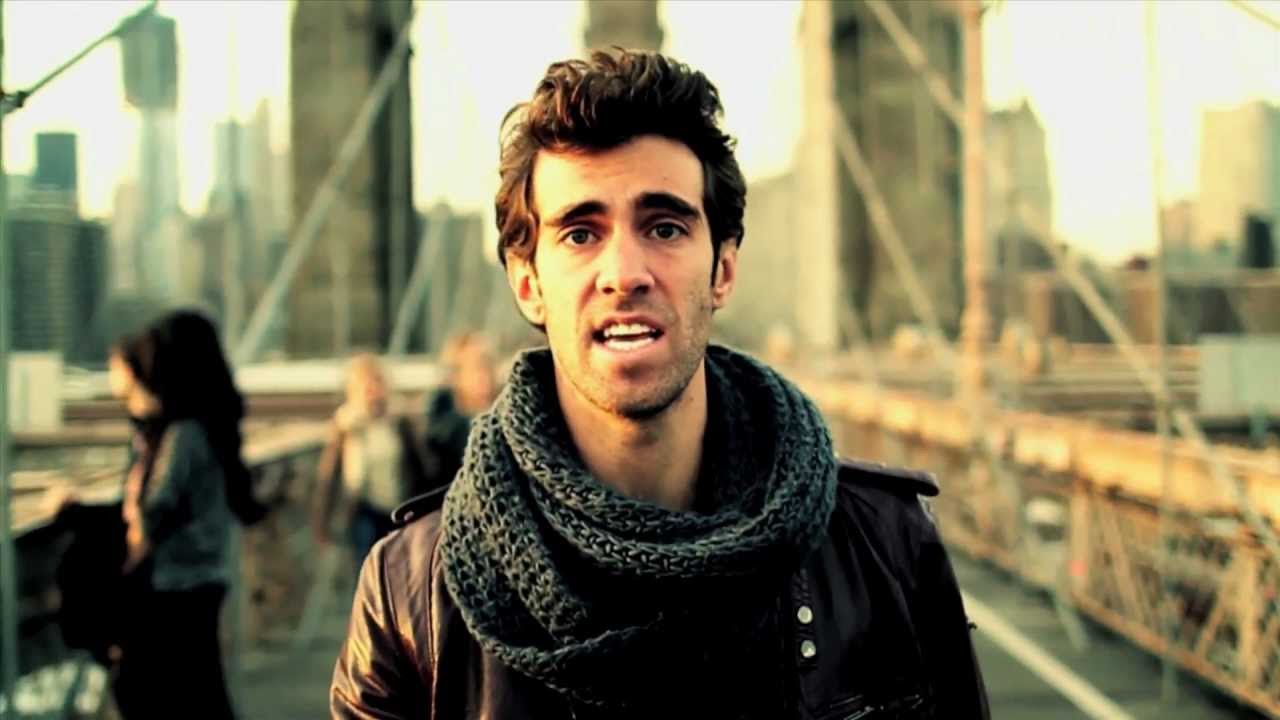
The video for “Life” trades the stage for a living room set carried through the city. How do you think about the relationship between a song on record and a song performed live?
They are very different things, though they can both be inspirational and transformative in similar ways. Recorded music feels like it’s on the introverted side of the artistic spectrum, while live music is on the extroverted side. They utilize the same medium, but often take on really different feelings and meanings for me. It is always cool to get really into a recording and then hear a good live version of it though.
You’re part of a busy New York DIY scene. What does that community mean to you as a musician?
The DIY community in the city is so big and sprawling that it ends up feeling a bit segmented. My band and I frequently talk about how it feels like there are a lot of little pockets of bands/people that make up a bigger picture of DIY here. There are basically a ton of different micro-cliques. Because of this it can be hard to feel like a part of that larger community sometimes, but I do have important feeling relationships with some individual artists in the city. Knowing those people are around and being able to see them out sometimes for sure feels important and connecting.
What do you hope people take away from this album?
That there are no rules with how you go about making an album. I rarely follow any structure in my songs and you truly just have to follow what excites you.
Anything else you’d like to share, and where can people find you?